
How to Waterproof a Cotton Canvas Bag Using Natural Beeswax and Eco-Friendly Coatings
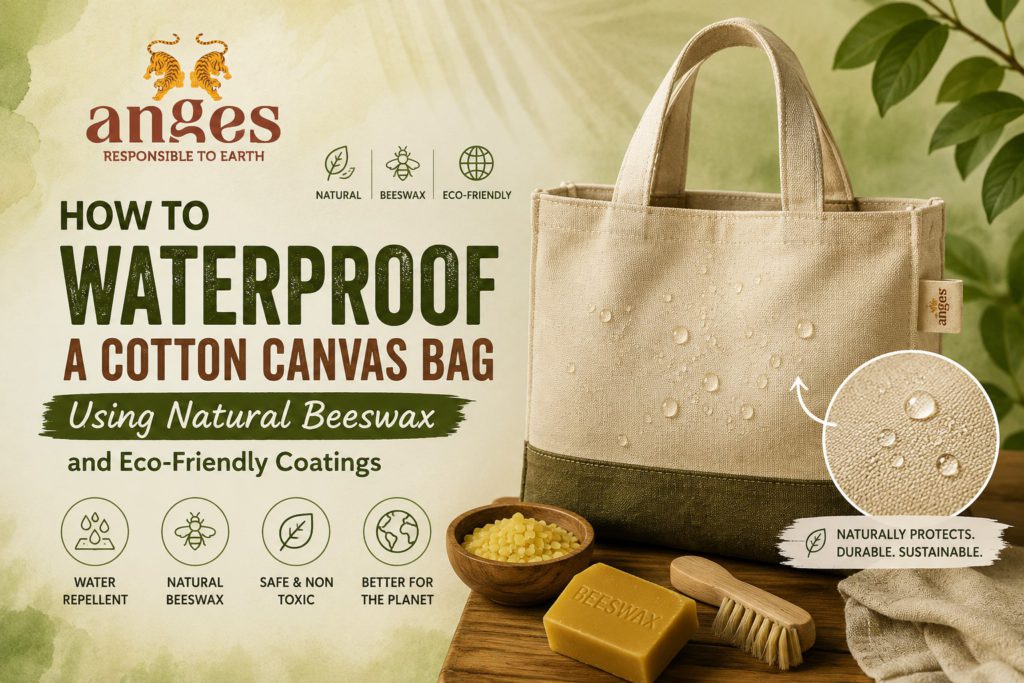
France banned PFAS in consumer waterproofing agents on January 1, 2026. Denmark’s version lands July 1 with a hard cap of 50 mg total fluorine per kilogram of fabric, and the EU’s chemicals agency is reviewing a restriction covering more than 10,000 PFAS compounds bloc-wide. France’s penalties reach €15,000 plus €1,500 per day a non-compliant product stays on shelves — steep enough that manufacturers aren’t waiting around for the EU-wide version to arrive before reformulating. Most “eco-friendly waterproofing” content online skips straight past this and just repeats the beeswax-and-oil method that’s been circulating on DIY forums since around 2015, without mentioning why the timing matters now. It matters because the fluoropolymer coatings that made spray-on waterproofers so effective never fully break down once they’re in soil or waterways — that persistence is the entire reason regulators are moving against them, not a side effect. Beeswax has the opposite property. It predates the ban by centuries: it was standard on oilskin coats and canvas sailcloth long before anyone had synthesized a fluoropolymer, and it disappears back into the environment the same way it came from it. For a cotton canvas bag, that’s a practical upgrade, not a sentimental one. It’s slower than a spray can — an evening of melting and brushing versus five minutes of aerosol — but you can watch the wax absorb into the weave as you work, which tells you immediately whether a section is under-treated. A spray can gives you no such feedback until the next rainstorm shows you the gaps. Why Bother Waterproofing a Canvas Bag at All Untreated cotton canvas is a plain-weave fabric — the yarns are woven tight, but they’re still cotton, and cotton fibre is naturally absorbent. Leave an unwaxed bag out in a downpour and water works through the weave within minutes rather than beading off. The bottom sags first, since that’s where standing water collects, and if the bag stays damp for more than a day, mildew starts on the underside where airflow is worst. Anges Bags manufactures more than 48 million eco-friendly bags a year, shipping to customers in over 64 countries — several of which have monsoon seasons where fabric performance in rain isn’t optional, it’s the deciding factor in whether a buyer places a repeat order. Rain resistance comes up in nearly every conversation with retail and promotional buyers sourcing from us, usually phrased as some version of “will this survive a wet season.” Raw canvas won’t. A properly waxed one will, and it’ll keep doing it for months before it needs redoing — that’s the gap this guide is meant to close. What Beeswax Actually Does to the Fabric Beeswax does not act like PU coating. Beeswax dont laminate, it fills the tiny gaps which ;ies between each cotton fibres, it becomes the part of the fabric than a coat of film on top of it. That is why beeswax if used, the product looks more natural rather than an artificial one. That’s the mechanical reason waxed canvas still breathes while a fully laminated synthetic doesn’t — air can still move through the weave; water just can’t wick along the fibres anymore. A 2025 study on beeswax-coated textiles, published in Fibers and Polymers and backed by density functional theory modelling of the wax-to-fibre bonding, measured a water contact angle above 100° on freshly treated fabric — meaning water forms a tight bead rather than spreading and soaking in. After durability testing (repeated washing and wear), the contact angle dropped slightly to 95°, still well within the hydrophobic range. The wax also held up on colourfastness and light-fastness tests, which matters if the bag is going to sit in a shop window or spend time outdoors. Let’s correct something which is actually a misconception everyone thinks that applying more wax produces better results. Yes, applying more wax can make a thick layer which can imply better protection, but excess of it actually resides at the surface rather than getting absorbed in the fibres. This surface layer actually gets exposed to produce flakes while in use, cracks can be found and get more dust than the usual. The goal is saturation into the weave, not a coating on top of it — a thin, even application that’s been properly heat-set outperforms a heavy one every time, and it uses roughly a third less wax to do it. What You’ll Need Skip turpentine and mineral spirits, even though plenty of older guides call for them to thin the wax faster. They’re petroleum solvents, and adding one back in defeats the point of switching away from chemical waterproofing in the first place. Step-by-Step: Waterproofing Your Canvas Bag 1. Melt the wax slowly. An approx 100 to 115 grams (4 oz roughly) of beeswax is required for a normal size tote bag. For application, you need to melt the wax gently under low flame, and let it melt on it slowly. 2. Blend in the oil. Once fully melted, remove from heat and stir in your drying oil at a 2:1 ratio of wax to oil — so around 50–55 grams of oil for the batch above. Too little oil and the finish cracks at the folds; too much and it stays permanently tacky. 3. Apply while warm. Work the mixture into the canvas in small sections using your brush or cloth. Concentrate on seams, corners, and the base first — those are the spots where water pools and where stitching creates tiny entry points the rest of the weave doesn’t have. 4. Heat-set it into the fibres. Run a heat gun or hairdryer over each treated section immediately after application. The heat drives the wax deeper into the weave rather than letting it sit as a surface layer, which is what actually gives you lasting water resistance rather than a coating that flakes off after a few uses. 5. Cure before use. Let the bag sit somewhere well-ventilated for at least 24 hours. The wax needs time to
Jute Bag Manufacturer Company: Complete Guide to Jute & Cotton Bags in 2026
Plastic is finally losing its grip on the packaging world, and buyers everywhere are on the hunt for something that actually lasts, looks good, and doesn’t leave a mess behind for the next generation. That shift is exactly why more businesses are dropping single use plastic bags in favour of jute and cotton alternatives — and why the search for a dependable jute bag manufacturer company has become so common among retailers, gifting brands, and event planners alike. Jute and cotton bags aren’t a passing trend. They’re sturdy, reusable, and genuinely eco friendly, which makes them a smart long term investment rather than a one time purchase. But not every manufacturer delivers the same quality, and picking the wrong one can mean weak stitching, inconsistent printing, or bags that fall apart after a few uses. This guide walks you through everything you need to know before you place your next order — from the different types of jute bags and cotton bags available, to how you can tell a serious manufacturer apart from a hit or miss supplier. Introduction Consumers today are paying closer attention to what they carry home from the store. Reusable, biodegradable packaging has gone from a “nice to have” to something customers actively look for, and many state and local governments have tightened restrictions on single use plastic bags to speed that shift along. For businesses, this changes the packaging conversation. A shopping bag isn’t just something to carry goods in anymore — it’s a small, walking advertisement for your brand every time a customer steps outside with it. That’s precisely why the manufacturer you choose matters so much. The right partner gives you consistent quality, dependable delivery timelines, and bags that hold up to daily use. The wrong one can quietly damage your brand reputation with every torn handle or faded logo. By the end of this guide, you’ll understand the different jute and cotton bag options on the market, what separates a reliable jute bag manufacturer company from an average one, and how to decide which fabric fits your business needs best. Why Businesses Are Choosing Jute and Cotton Bags in 2026 Sustainability isn’t a marketing checkbox anymore — it’s become part of how customers judge a brand before they even walk through the door. Companies that switch to reusable jute or cotton packaging send a clear, visible signal that they care about more than just the sale. There’s also a practical branding upside. A well printed jute or cotton bag turns into free advertising the moment a customer carries it out in public, at a market, or even years later at the grocery store. Add in growing corporate responsibility commitments and a genuine consumer preference for products that don’t end up in a landfill within a week, and it’s easy to see why so many businesses are rethinking their packaging strategy this year. Benefits of Jute Bags Jute has earned its reputation as one of the toughest natural fibres in the packaging world, and it comes with a few standout advantages: A well made jute bag can genuinely outlast dozens of plastic bags, which is part of why it’s become the go to choice for grocery chains and gifting brands alike. Benefits of Cotton Bags Cotton brings a different set of strengths to the table, and it’s often the preferred pick when a softer, more polished look is the priority: Where jute leans rustic and rugged, cotton leans clean and refined — which is why many businesses end up stocking both. Understanding Different Types of Jute Bags Not all jute bags serve the same purpose. Here’s a breakdown of the main categories you’ll come across while sourcing from a manufacturer. Jute Shopping Bags Jute shopping bags are the workhorse of the lineup — built for grocery stores, retail counters, and everyday errands. They’re designed to handle repeated trips, heavier loads, and daily wear without losing their shape, which makes them a natural replacement for plastic carry bags at checkout counters. Jute Gift Bags When presentation matters, jute gift bags step in. Their natural texture already looks festive, which makes them a favourite for weddings, festivals, and corporate gifting. Many businesses use them as an easy way to elevate a gift box or hamper without extra packaging costs. Jute Beach Bag Spacious, breathable, and sturdy enough to hold a towel, sunscreen, and a change of clothes, the jute beach bag has become a popular seasonal item for travel and vacation brands. Its rugged look also fits naturally into fashion forward summer collections. Custom Jute Bags For brands running promotional campaigns, trade shows, or marketing giveaways, custom jute bags offer a simple way to put a logo directly in front of customers. Since jute takes printing well and photographs nicely on social media, it’s a favourite for brand marketing pushes that need to leave an impression. Personalised Jute Bags Personalised jute bags take customization a step further — think names, initials, or event specific designs. They’re a popular pick for weddings, corporate events, and personalized gifting, where a generic bag just wouldn’t feel special enough. Different Types of Cotton Bags Cotton bags come in a few distinct styles, each suited to a slightly different use case. Cotton Canvas Bag Thick, heavy duty, and built to last, the cotton canvas bag is a favourite for grocery use and premium branding alike. Its sturdy weave holds printed logos crisply, which is why so many fashion and lifestyle brands lean on canvas for their tote bag lines. Cotton Backpack Cotton backpacks bring the same eco friendly material into a more functional, everyday format. They’re commonly used for school, travel, and promotional giveaways, offering a practical alternative to synthetic backpacks for anyone commuting daily. Everyday Cotton Bags These are the flexible, all purpose cotton bags used across retail counters, book fairs, and exhibition giveaways. Lightweight and easy to print on, they’re often the most budget friendly cotton option for bulk orders. How to Choose the Right Jute Bag