
Why HR Departments Love Working with a Corporate Jute Bags Manufacturer for Onboarding
There is something about that first day, isn’t there? You walk in — or these days, maybe you log in — and there is this little welcome pack sitting there. I have seen people’s faces change over something as simple as a bag. A real bag. Not the plastic kind that rips before Friday. HR folks have caught on to this in a big way. Over the years, many of them have started calling us, a Corporate Jute Bags Manufacturer, to put together onboarding kits that actually last. At Anges Bags, we make a lot of bags. North of 48 million every year, shipping out to more than 64 countries. A fair number of those end up with brand-new employees at companies you would recognise. When HR managers sit down with us, it rarely stays about the bag for long. It becomes about what that first impression should feel like. So, let’s get through what we witnessed, if it worked and why the pairing is perfect. The slow, steady turn toward welcome kits that don’t harm the planet A few years ago, I’d watch companies stuff onboarding kits with things destined for the bin. That script has flipped. Deloitte published a 2024 Global Human Capital Trends https://www2.deloitte.com/us/en/insights/focus/human-capital-trends.html piece that made a point — when sustainability seeps into the employee experience, engagement and retention improve. HR leaders read that and ask, where do we begin? Often, the welcome bag is the easiest, most visible starting point. Jute works because it feels honest. Earthy, warm. You drop in a notebook, a reusable bottle, maybe the handbook, and suddenly it’s not a bundle of freebies. It says something without shouting. I’ve had more than one HR manager tell me the bag does half the talking about company values before orientation even kicks off. Why new hires actually keep these bags Truth is, not every bag is cut out for this. HR teams need something that can take a beating. Someone will jam a laptop, gym clothes, and a lunch box in there. We usually nudge them toward laminated jute. It can keep its shape intact, can sustain a small amount of drizzle, and do not look worn out after a week.The other bit? The bag sticks around. Once I saw a person carrying one of our bags with the particular company logo. He has been using it for two years. Still hauling it. That is the kind of brand exposure you cannot pay for. A solid manufacturer helps HR choose the right weight, handle stitching, finish — so that bag earns a spot in someone’s daily rhythm. A real project that stuck with me A while back, a global IT firm got in touch. They were onboarding over 2,000 grads in waves. Their old plastic kits were, to put it kindly, forgettable. The HR director said half the bags didn’t survive a month. We worked with their team, designed a minimal jute backpack — foldable, light, just their purpose statement printed on it. Nothing overdone. Six months later they shared some numbers. Bag usage among new hires was up nearly 40% versus the old plastic stuff. That made the HR team look smart, and it reaffirmed something for us: listening beats fancy design every time. It wasn’t complicated. We just heard what their people would actually carry. Custom touches that feel personal Every company’s culture is its own beast. A startup might want bright colours and a huge logo. A law firm? Probably muted tones, a small debossed crest. We’ve done both. Jute takes screen printing, digital, embroidery surprisingly well, so there’s room to get creative without the budget spiraling. Beyond visuals, you can mess with the function. Padded laptop sleeve, inner pocket, zipper, convertible handles from a Corporate Jute Bags Manufacture. I’ve seen HR teams come to us with a rough sketch on a napkin, and we turn it into a sample. That back-and-forth gives the final bag a sense of belonging — not like it was picked from a catalogue. A bag that lives a life, not dies in a drawer The best feedback we hear: “I’ve had mine for three years.” Jute is just tough. We pull handles and seams in the factory until they fail, so we know the limits. When someone visits a market on his off duty, the logo becomes also part of his personal life which indicates the profession he belongs to. THis is a silent swag which is not hidden during his off duty. Keeping the budget sensible Onboarding budgets rarely have much slack. Cutting out middlemen helps. We price from the factory floor, so per-unit costs stay reasonable even for big orders. A well-made jute bag that lasts two years costs less per impression than a cheap bag swapped out every quarter. The HR folks who run the numbers usually end up pitching it as a clever spend, not a fluffy extra. Deliveries that don’t give HR a headache Onboarding schedules are tight. Kits have to be there on the day, whether at the office or on someone’s doorstep. We’ve shipped to corporate HQs, regional hubs, and straight to home addresses. I remember an HR coordinator onboarding a fully remote cohort during a lockdown. We sent kits to 400 different addresses in a single week, each trackable. She later said it was one fewer thing to panic about. That’s the goal, really. Trust is non-negotiable HR teams take on real risk when they pick a supplier. If a factory has shady practices or can’t back up claims, the company’s name gets dirty. We’ve always been open about our certifications — ISO 9001:2015, SA8000, Sedex member. These are not decorations. They mean auditors show up, check things, and we hand over paperwork when compliance asks. That kind of transparency can shave weeks off the vendor approval timeline. I’ve seen it happen. Tying it to bigger sustainability goals Lots of companies now have public green targets. Onboarding kits can contribute a little. Jute is biodegradable,
Why Trade Shows Are Moving Toward Eco-Friendly Promotional Bags Manufacturer Partners
I’ve been in this bag game longer than I care to admit, and a little scene from a Frankfurt trade show still pops into my head when people ask why things are changing. I was leaning against a pillar near a client’s booth, sipping something lukewarm, just watching the tide of people. Across the way, an exhibitor was enthusiastically pressing these ultra-thin plastic drawstring bags into everyone’s hands. You know the ones — they crinkle, they sweat, and if you drop a heavy catalogue plus a water bottle inside, the seams start screaming. One guy took a bag, loaded it up, took about seven steps, and rip. Stuff all over the floor. He didn’t even look back. Just scooped up his things and vanished into the crowd. That company had spent who knows how much on the booth, the travel, the lights… and a bag worth maybe five cents killed whatever impression they’d made. That moment sort of planted a seed, even though I already worked in sustainable bags. It made me realize the freebie bag isn’t a minor detail. It’s often the first physical thing someone associates with your brand at a show. And these days, with the way attitudes have shifted, that first touch had better feel right. We’ve been seeing it clearly at Anges Bags. Buyers who would’ve called us five years ago just to get the rock-bottom price are now leading with a whole different set of questions. They’re looking for an eco-friendly promotional bags manufacturer that doesn’t just talk a nice game, but can actually prove the bag is what it claims to be, can deliver on time, and can handle quantities that sometimes make logistics people sweat. We’re not a tiny operation — over 48 million bags a year, across 64-plus countries — and even we have to stay on our toes. I’m not sharing theory here. This is stuff I’ve picked up on the floor, on the phone with stressed event managers, and occasionally standing ankle-deep in sample swatches. The Growing Demand for Sustainability at Trade Shows I remember when the brief from most clients was basically “cheapest tote, logo in one color, send it.” That world’s crumbling. Organizers have started pushing, not just gently nudging. UFI, the exhibitions industry body, has data showing that a solid majority of organizers now run some kind of sustainability programme, and a lot of them are turning that into requirements for exhibitors. (Source: [UFI Sustainable Development Report](https://www.ufi.org/industry-resources/sustainability/ )) I’ve heard directly from exhibition managers — one lady in particular who runs a big tech show — that her team actually walks the floor and notes which booths are handing out single-use plastics. If you’re on that list, you might get a polite, but very pointed, email. And honestly, attendees are paying way more attention. They’ll pick the bag up, turn it over, squint at the little label inside. If they’re talking to your sales guy about innovation and responsibility, and the bag in their hand screams disposable, they feel that disconnect. Sometimes they even ask, “Is this recycled?” and you better have an answer ready. Large venues have started banning single-use plastic bags outright too. So if you’re doing a show circuit, finding a dependable promotional bags manufacturer that breathes this sustainability stuff isn’t some optional add-on. It’s just part of getting your booth together. What Makes a Promotional Bag Eco-Friendly? “Eco-friendly” gets slapped on everything, and I’ve seen enough to be a little suspicious when there’s no paperwork behind it. Over time, I’ve boiled it down to three things that actually separate a bag worth the label from one that’s just riding the trend. The raw material itself tells a story. Organic cotton has a soft, almost velvety feel that makes people want to keep it. rPET — basically recycled plastic bottles spun into fabric — is lighter, sleek, and easy to print on. Natural jute has that earthy, rustic vibe. And laminated jute, which we make a ton of, adds a layer that handles moisture and rough treatment. For multi-day indoor shows where people are hauling around heavy magazines, laminated jute is a quiet hero. For a luxe product launch, cotton canvas just feels richer. Certifications are the proof part. GOTS for organic cotton, OEKO-TEX for safety. I always tell clients, ask to see the actual certificate. If the supplier stumbles or says they’ll send it later and never does, that’s your cue to leave. We’ve had nothing to hide, so handing over documents is just part of our process. And then the afterlife of the bag. An eco-friendly promotional bag that gets used once and tossed is a fail. A good one lives on. I’ve had clients send me phone snaps of our bags at grocery stores, at yoga class, at a beach, even tied to a motorcycle. That’s reuse happening in the wild. Picking an promotional bags manufacturer means finding someone who talks about these layers without making it sound like a script. Why Trade Shows Are Choosing Sustainable Promotional Bag Partners It’s not just guilt or fear of getting shamed. Some of the savviest event folks I’ve dealt with see this as a quiet brand flex. Brand alignment is a big one. If your whole pitch is about caring for the future, handing over a flimsy plastic sack is like ending a heartfelt speech with a kazoo solo. I worked with a tech company that made a big deal about reducing e-waste. They gave out recycled-material bags at their booth, and attendees actually asked about the bag’s story, which opened the door to talk about their mission. That wouldn’t have happened with a generic throwaway. The sensory thing matters too. A bag that feels substantial, that sits comfortably on your shoulder, that has a bit of texture — people hold onto it. They repurpose it. Every time they do, your logo is riding along. It’s the quietest, cheapest impression you’ll ever buy if you get the quality right. Compliance is
Sustainable Sophistication: The Future of the Corporate Jute Bags Manufacturer
Plastic has finally started to stink in the corporate world Not the smell of it. The reputation. Walk into any boardroom or trade show floor and the giveaway pile is a graveyard of cheap ballpoints, keychains that break before the conference ends, and shiny totes that nobody wants to be seen carrying outside the venue. That whole model is dying. And the thing pushing it off the cliff is something that looks like it belongs in a farmer’s market but feels like it belongs in a boutique hotel lobby. A jute bag. Except not the rough scratchy one you remember from the 1990s. Something else entirely. What even is a corporate jute bag supposed to mean right now Right now it means the company giving it to you actually read the memo. The memo that said regulators are tightening, plastic bans are spreading, and the next generation of talent and clients isn’t asking whether you have an ESG policy. They’re checking if your merch matches it. A Corporate Jute Bags Manufacturer isn’t just pushing out a natural-fiber container anymore. The gig has changed. It’s about manufacturing proof. Proof that the brand in question is willing to spend money on something that rots safely into soil instead of outliving the recipient in a landfill. That’s a heavy burden for a bag. But jute can carry it. Literally and metaphorically. Why jute doesn’t need a greenwashing filter This is the part that procurement officers like. Jute is a rain-fed crop. No irrigation drama. Minimal pesticides. It sucks carbon out of the air faster than most trees and when its life as a conference bag ends it breaks down completely. A Jute Bags Manufacturer doesn’t have to invent a sustainability story. It just has to tell the one that already exists in the fiber. That’s rare. Cotton needs enormous water. Recycled polyester still sheds microplastics. Jute basically walks in and says, “I’m fine. No fine print needed.” And because the story is so clean, the bag becomes a quiet handshake. No screaming logos. No neon colors trying to be memorable. Just a piece of material that feels deliberate. The rough fiber that learned to dress up The old headache about jute was the texture. Too coarse. Shedding fibers on a black suit. Nobody wants to reach into a gift bag and pull out a handful of slivers. That’s changed. Modern finishing has turned jute fabric into something that can hold its own next to canvas and linen. A jute bag production house now works with softened weaves, laminated interiors, precision stitching. The bag can be dyed a deep charcoal or navy that doesn’t look like a school project. Handles are reinforced. Sometimes there’s leather trim. Sometimes a minimalist debossed logo that you notice on the third glance. That’s the sophistication part. It doesn’t shout. It sits on a meeting room chair and just looks right. Why a cheap gift now costs more than an expensive one Nobody says it out loud at the procurement meeting but it’s true. A plastic folder with a sticker on it gets thrown away. A poorly made jute bag might last six months. But a good one, a bag from a Jute Bags Manufacturer that actually understands stitching and load-bearing and how a strap feels on a shoulder after two hours of walking an expo hall, that bag stays. It becomes the thing the recipient uses to carry their lunch. Or their gym kit. Or their laptop to a coworking space. Every day that bag is in public, it’s advertising. And not the kind that begs for attention. The kind that says, “This company gave me something I didn’t want to bin.” That’s the return on investment no spreadsheet captures properly. Long-haul brand visibility wrapped in a fiber that degrades gracefully. The logo that whispers instead of yells Luxury went quiet. The branding trend that matters right now isn’t about being bigger. It’s about being subtler. A tonal print on a natural jute surface. A small leather patch. An inside label with a message about reforestation or farmer welfare. A Corporate Manufacturer that gets this is essentially making editorial merchandise. Stuff that belongs in a magazine spread about conscious living, not in a bottom drawer with dried-out highlighters. Anges Bags sits in that space. Not as a mass producer of generic sacks but as a specialist that can execute a design language a brand manager actually feels proud to put in a welcome kit. When the bag looks like something you’d buy in a design store, the recipient forgets it was corporate merch. That mental shift is priceless. Supply chains with receipts not just promises There’s a quiet panic happening in corporate responsibility departments. New regulations are demanding traceability. “Sustainably made” without evidence is becoming a liability. A jute bags manufacturer with a transparent chain from farm to finished product solves that headache. The fiber comes from a place. The weaving happens somewhere. The stitching is done under conditions that can be audited. That string of proof is now more valuable than the bag itself for a company preparing its annual sustainability report. It turns a simple promotional item into a compliance asset. Not many swag items can do that. A plastic water bottle certainly can’t. What happens when the bag gets tired Everything gets tired eventually. The difference with jute is that tired doesn’t mean toxic. It goes into the ground and improves soil structure as it decomposes. A product whose end-of-life actually feeds something instead of poisoning something. That’s the circular logic a Manufacturer bakes into every unit. It’s a conversation ender in the best way. When a board member asks, “And what happens after use?” the answer isn’t a mumble. It’s a clear biological loop. The dull edge of the competition Everyone else is still pushing polyester. Or cotton blends that guzzled water in drought-prone regions. Or bamboo that required chemical processing to become fabric. Those products are going to hit walls. Not just
Wholesale Trends: What’s New at Your Local Shopping Bags Manufacturer
Been doing this for two decades. That still feels strange to say, but here we are. When I started, I didn’t care about bags. Not one bit. Honestly, I don’t think anybody did. You grabbed the cheapest thing off the shelf, slapped a sticker on it maybe, and handed it over. The whole conversation was done before the coffee got cold. Somewhere along the way, that changed on me. I’m not even sure I noticed it happening. Maybe it crept in slowly, I don’t know. But these days I catch myself doing this weird thing. I’ll be walking down a street, someone will step out of a shop carrying a purchase, and my eyes go straight to the bag. Every time. The material, the way the handle sits, whether it’s got some character or it’s just another beige blob. Old habits die hard I guess. So if you’re buying in bulk, if you’re out there trying to find carriers that actually do something for your brand, I want to talk about what matters. Not the stuff you read in glossy catalogs. The real stuff. The stuff I’ve seen happen in actual shops, with actual customers, when nobody was taking notes. Right now, the interesting work is happening inside a shopping bags manufacturer that actually thinks about what they’re making. Let’s get into it. The Customer Who Smelled a Bag and What That Told Me I saw this happen. A few years ago, I was killing time in a little boutique, the kind that sells handmade soaps and candles. The owner, nice woman, had recently ditched her old shiny plastic carriers for these thick, uncoated kraft paper bags she’d found through a local supplier. A lady bought a lavender candle, and as she took the bag she did something I almost missed. She brought it up to her face, just for a beat, and breathed in. No big reaction. Just a tiny, quiet smile. The paper had that earthy, woody smell. It matched the whole vibe of the candle, the shop, everything. I stood there thinking, well, that’s it. That’s the whole thing right there, summed up in one unguarded second. The material of a bag can do that. It can make someone feel something before they’ve even left the counter. That’s not marketing jargon. I watched it happen. Most bulk carriers used to be chosen strictly by price. Now, the conversation inside a decent production facility is about fabric libraries—organic cotton, jute with a bit of rough texture, rPET felt that comes from old plastic bottles but feels surprisingly soft. Anges Bags, as a team that’s been paying attention, has built their whole range around this shift. They know a bag’s material is already telling a story, whether the retailer planned one or not. Why I Still Think About That Broken Handle in a Parking Lot Another memory, less pleasant. I was walking through a grocery store car park. A man ahead of me, arms full, paper bag just… gave up. Bottom tore clean open. A jar of pasta sauce smashed, red everywhere, on his shoes, on the asphalt. He didn’t scream or anything. He just stood there for a second and then muttered the store’s name under his breath, in that tired, angry tone people get when a small thing ruins their whole afternoon. That store probably never knew it happened. But that guy remembered. I bet he still does, somewhere in the back of his head. That’s the thing about bag failure. It’s not just a mess. It’s a tiny betrayal. It attaches itself to a brand name. I’ve noticed, since then, a real hunger for bulk carriers that feel almost stubbornly strong. Double-stitched handles. Bottoms that are cross-reinforced. Gussets that actually expand, properly, without tearing like wet newspaper. When the people making your bags care about these things, you can feel it the second you pick up a sample. They’ll hand it to you and say, “Go ahead, pull on it. Really yank.” And you do, and it doesn’t budge. That’s the sign. Beyond avoiding disaster, a bag that holds up becomes a reusable tote. It ends up in someone’s car, hauling gym clothes or library books or beach towels, your logo riding along for weeks or months. I can’t think of a lazier, more effective bit of advertising. Making a Bag That Feels Like Yours, Without the Old Headaches The way custom printing used to work, I honestly dreaded those conversations. You needed to order a shipping container’s worth. One color, your logo slapped in the dead center. Small, quirky shops had no real option. It was boring and it was rigid. That whole world got dismantled. Digital printing snuck in and changed the rules. These days, I’ve watched a tiny patisserie work with their supplier to get a watercolor floral print that wraps all the way around, stem to stem. A bookshop did a subtle blind emboss of a line from a poem, something you only see when the light catches it sideways. I love stuff like that. I’ve also become unreasonably fond of contrasting handle colors—bright mustard on kraft brown, deep navy on off-white cotton. It’s such a small tweak, barely takes a minute to decide, but it makes a bag feel deliberate. Anges Bags, having handled this day in and day out, can guide a business through these choices without making it feel like a big production. A little creative conversation can flip a disposable item into something a customer wants to keep. That’s the goal, isn’t it? The Local Manufacturer Thing That Saved a Few of My Sanities I’ve taken panicked calls. Usually around October. November, it gets worse. A shop owner’s holiday bags are drifting somewhere on a cargo vessel, or they arrived and the color is wrong—not fresh sage, more like sad swamp—and there’s zero time left to fix it. The big global supply chain works, right up until it doesn’t. When it stumbles, it leaves a mess in
10 Reasons Why Organic Cotton Bags are Heading The Future of Sustainability in Fashion.
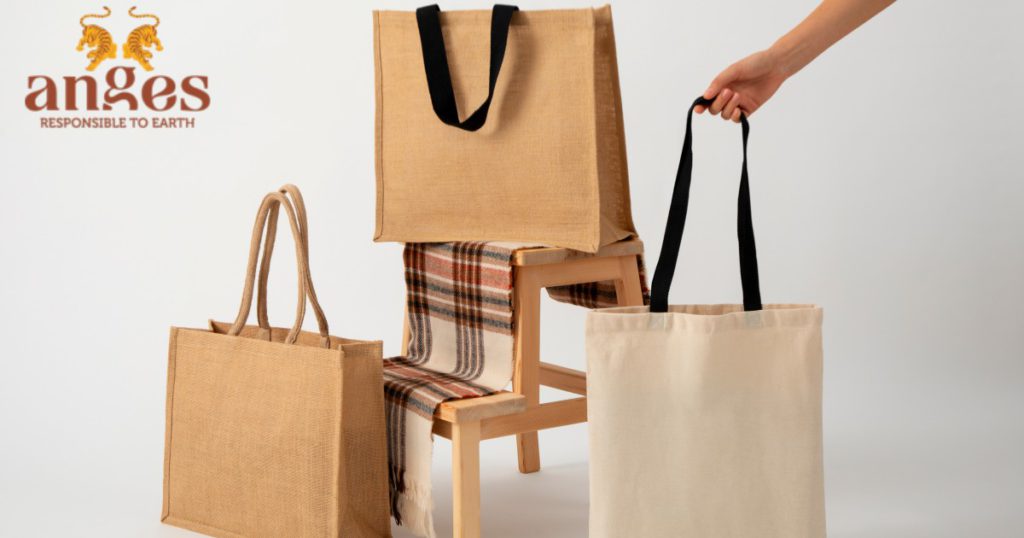
I am not boasting when I am saying that I have been writing about fashion and sustainability for more than a decade, and most of what I’ve written? It’s forgettable. You know? The kind of thing you scroll past. The kind of thing AI could probably write better. Faster. Cheaper. But this one? Organic Cotton Bags. I actually believe this. Let me just. Okay. Let me just talk. 1. Plastic is killing us. Not being dramatic. There’s plastic in the rain. In the clouds. In human blood. I read that somewhere. The fashion industry? It’s behind something like 14% of all plastic pollution. Mostly from synthetic clothes and bags shedding those tiny invisible fibers every time you wash them. Organic Bags don’t do that. Because there’s no plastic in them. Period. 2. Water. I mean. Regular cotton. Thirsty. So thirsty. 2,700 liters for one t-shirt’s worth of fabric. That’s what one person drinks in almost three years. Organic cotton? According to Textile Exchange (source), it uses 91% less blue water. Ninety-one percent. Most of it just grows in the rain. Right? So these products are not stealing from anywhere and that is an important fact. 3. Climate. General farmers yielding cotton use synthetic fertilizers. These chemical products release nitrous oxide which is harmful for the climate 300 times more than CO2 itself. Three hundred. Where the same study reveals that organic cotton lowers the risk of global warming by 46%. Almost half. So if you care about climate change? Go organic. 4. Farmers. This part. Okay. This part gets me. Common cotton is found to use more insecticides than all other crops. The farmers have to breathe that too. Their kids play near it. Their water gets contaminated. Organic cotton? No synthetic pesticides. No toxic chemicals. So when you buy Organic Cotton Bags, you’re not helping some abstract planet. You’re helping a real person not die from cancer. That matters. 5. Bees. Walk through a normal cotton field. Quiet. No bees. No butterflies. Nothing. Organic fields? Buzzing. Because organic farming doesn’t nuke the insects. These Bags come from farms that are actually alive. 6. Your skin. Ever bought a bag or a shirt and it smelled weird? Or made you itch? That’s chemical residue. Formaldehyde. Bleach.Organic cotton skips most of that. Naturally hypoallergenic. So Organic Bags feel better. No weird smells. No itch. 7. They last. Fast fashion is trash. Designed to fall apart. Weak threads. Cheap stitching. Three months and done.Organic cotton fibers are longer. Stronger. Often hand-picked instead of machine-ripped.That means Organic Cotton Bags last for years. Groceries. Beach. Gym. Whatever. 8. They rot. This is funny. A lot of “eco” bags are still plastic. Recycled polyester. Bioplastic. Fancy names. Still plastic. Still won’t rot for centuries.Organic bags are not plastic. Pure cotton. Throw them in compost and they disappear. Completely.No trace and that’s real. 9. People still care. Headlines say consumers stopped caring. Not true. The sustainable market is going to a massive rise of $12.6 billion at the end of 2030 as the market projected. Customers are now more environment friendly, and out of 5 , 4 customers are voting for environment consciousness. Organic Cotton Bags fit right in. Not preachy. Just better. 10. Laws are changing. Plastic bag bans. Everywhere. California. New York. Europe. More every year.Brands that switch now to Organic Cotton Bags get ahead. Brands that wait? They scramble.Don’t be that brand. I don’t know what else to say.I’ve seen a lot of hype. Bamboo. Hemp. Recycled ocean plastic. Some worked. Some didn’t.Organic Cotton Bags are different. They fix real things. Water. Plastic. Farmer health. Climate.At Anges Bags, we don’t make big promises. Just good Organic Cotton Bags that work.Go see for yourself. Or don’t. But you probably should.
The Relation of Organic Cotton Bags and Eco-Conscious Travellers

There is a moment, often late at night before a trip, when packing turns mechanical. Items go in without much thought, chargers, clothes, a spare bag or two. For a long time, that “spare” meant plastic. It did the job, then disappeared. No one asked much of it. That habit is beginning to look dated. Not dramatically, but steadily. Travellers who pay attention to what they carry are starting to replace those throwaway pieces with something that holds up. In many cases, that means Organic Cotton Bags. The difference shows up after the first trip At first, the swap feels minor. A cotton bag where a plastic one used to be. Nothing more. But the second and third trip tell a different story. The bag is still there. Still usable. It has been folded, unfolded, washed perhaps, and returned to the suitcase without effort. Plastic rarely survives that cycle. There is also a quieter layer to it. According to work referenced by The Textile Exchange, organic cotton avoids the chemical-heavy processes that conventional farming depends on. That detail stays far from the airport or hotel room, yet it sits behind the product in hand. Travel tests materials in ways daily life does not Things that seem durable at home often fail on the road. Constant packing, shifting weight, exposure to heat or dampness,it adds up. Cotton behaves differently under those conditions. It does not trap odour as easily. It does not become brittle. It softens slightly with use instead of wearing out. Companies such as Anges Bags tend to keep their approach simple: strong seams, balanced fabric, no excess structure. The result is not something one notices immediately. It is something one stops worrying about. It fits into how people already pack No adjustment is required. That may be the most important point. These bags slip into familiar roles: There is a certain ease to cotton that becomes clearer over time. It does not resist folding. It does not feel out of place in different climates. It simply works. A quiet answer to changing rules In many places, plastic bags are no longer handed out without thought. Some cities charge for them. Others restrict them entirely. The shift is gradual, but it is happening across regions. A recent overview from United Nations Environment Programme notes how these restrictions are expanding year by year. Travellers often notice it only when they are already mid-journey at a shop counter, or while repacking. Carrying Organic Cotton Bags removes that friction. No searching, no compromise, no last-minute adjustment. There is also the matter of how it looks and ages Travel gear used to lean toward excess that includes bright colours, heavy branding, unnecessary layers. That has been easing off. What people carry now tends to be simpler, quieter. Cotton bags follow that line almost without trying. Neutral shades, clean stitching, a surface that softens rather than degrades. They do not look new forever, but they do not look worn out either. They settle somewhere in between. Small choices, repeated often enough, become a pattern It is easy to dismiss a single item as insignificant. One bag does not change much. But travel is built on repetition, trip after trip, packing and unpacking. When those repeated actions include better materials, the effect accumulates. Manufacturers respond to that demand. Supply shifts, slowly but surely. Brands like Anges Bags sit within that response, offering products that meet a practical need without adding waste to the process. The part most people do not think about Flexibility matters more than structure when space is limited. Cotton adapts. It expands when filled, flattens when empty, and fits into corners that rigid organisers cannot use. This becomes useful in unpredictable moments like an extra purchase, a change in plans, a suitcase that refuses to close neatly. A cotton bag adjusts without complaint. Closing note Not every improvement in travel needs to be visible. Some sit in the background, doing their work without drawing attention. Organic Cotton Bags fall into that category. They replace something disposable with something steady. They return to use without effort. And over time, they become less of a choice and more of a habit, quiet, reliable, and difficult to give up once adopted.
Designing the Perfect Tote: from POV of a Shopping Bags Manufacturer
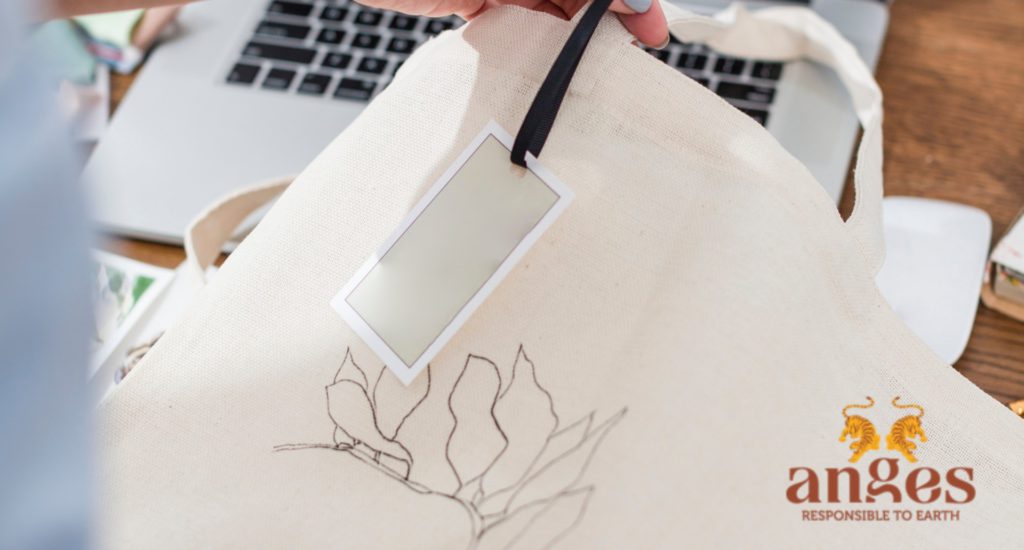
A tote bag is easy to overlook. It does its work quietly—picked up, filled, carried along, then folded away somewhere out of sight. Yet, for those who make them, nothing about it is accidental. A Shopping Bags Manufacturer spends more time on what most people would consider minor details than on anything that looks obviously “designed.” At Anges Bags, the early conversations are rarely about colour or print. They tend to circle around use. Who is likely to carry the bag? For how long? Will it hold groceries, garments, or something heavier? These answers begin to narrow down what the bag needs to be, long before it takes shape. Starting With How It Will Be Used There is a practical rhythm to designing a tote. The base, for instance, cannot be an afterthought. A slightly wider bottom changes how the bag stands when set down. Too narrow, and it collapses in on itself. Too wide, and it loses proportion. Handles follow a similar logic. A short handle works well for quick errands but becomes inconvenient over longer distances. A longer one sits comfortably on the shoulder but needs stronger reinforcement at the joints. Materials, naturally, sit at the centre of these decisions. Cotton canvas is dependable and familiar. Jute offers structure but can feel stiff if not handled carefully. Non-woven fabric keeps costs manageable, though it asks for precise stitching to avoid early wear. A Shopping Bags Manufacturer does not treat these as interchangeable choices. Each one sets its own limits. Material Choices and the Present Climate The last few years have altered how materials are discussed. Buyers are no longer satisfied with appearance alone. There is more attention on origin, lifespan, and disposal. Jute, once considered old-fashioned, has returned with a different standing. It fits easily into conversations around sustainability. Recycled fabrics are also being used more often, though they introduce small variations—slight differences in tone or texture that cannot always be controlled. Rather than correcting these differences entirely, many manufacturers now work around them. It requires a bit of flexibility in design, but it also produces something that feels less uniform, and in some cases, more honest. Branding That Travels Quietly A tote bag carries more than its contents. It carries a name, often without trying too hard. Once it leaves the store, it moves through everyday spaces—markets, offices, public transport—without any further effort from the brand. Because of this, branding has taken a quieter turn. There is less crowding of elements now. A single, well-placed mark often does more than a busy layout. It also tends to last longer without looking worn out. Printing methods are chosen with similar care. Screen printing remains a steady choice for larger runs. Digital printing allows finer detail, though it asks for closer control during production. Designing for More Than One Use There was a time when tote bags were treated as temporary. That has changed. Many people now keep them, reuse them, and sometimes rely on them for daily errands. This shift has made durability less negotiable. Handles are reinforced with extra stitching. Seams are tested for repeated stress, not just immediate load. Even thread quality comes into focus. A Shopping Bags Manufacturer is, in effect, designing for repetition—for the second use, the tenth, the hundredth. When the Design Meets Production Not every idea survives the move from paper to production. Some details slow down the process. Others introduce inconsistencies when produced in bulk. This is where experience shows. Small changes—an adjusted seam, a different fold, a simplified print—often make a design more workable without changing its intent. At Anges Bags, these adjustments are expected. They are part of getting the design to sit comfortably within real production conditions. Closing Thought The tote bag has settled into a role that goes beyond convenience. It reflects habits, expectations, and, to some extent, values. For a Shopping Bags Manufacturer, the goal is not to create something that draws immediate attention, but something that stays in use without effort. When a bag becomes part of someone’s routine—used without much thought—it has reached a kind of quiet success.
How a Cotton Bags Manufacturer Supports Local Artisans and Rural Economies

Walking into a factory floor and walking in a modest production space feels different in its rhythm. Work happens in clusters. Someone trims fabric near a window, another checks stitching, a third packs finished pieces. It is unhurried, but not idle. Much of what sustains this system traces back to a Cotton Bags Manufacturer—not in theory, but in daily, repeat work. Anges, through https://www.angesbags.com/, operates within this kind of network. The output is straightforward. The structure behind it is less so. Work That Does Not Require Leaving Home In several rural regions, earning opportunities rise and fall with the crop cycle. Once harvest ends, options narrow. This is where small-scale manufacturing steps in, quietly. A Cotton Bags Manufacturer rarely keeps everything under one roof. Tasks are distributed—cutting in one unit, stitching in another, finishing somewhere nearby. The arrangement is practical. People can work without relocating, and that makes a difference. Money earned here tends to stay close. किराना shops see steady customers, transport services run more regularly, and households manage expenses without depending entirely on seasonal work. The change is not dramatic, but it holds. Skills That Continue Because They Are Used There is no shortage of craft knowledge in textile regions. What often disappears is demand, not ability. When a Cotton Bags Manufacturer includes hand processes, printing, basic embroidery, even certain finishing techniques—those skills remain in circulation. It’s not heritage, it’s an item which is a product of everyday life. If we have a closer look, we can find prints which are not aligned properly, stitches varieties that can’t be ignored. These are not corrected. They stay, and over time, they become expected rather than avoided. Work That Fits Around Existing Lives A significant share of this workforce is made up of women. The reason is largely practical. Much of the work—stitching, thread cutting, inspection—can be done in small groups or from home-based setups. It does not demand long-distance travel or fixed hours in a central unit. A Cotton Bags Manufacturer that collaborates with local collectives often builds these arrangements gradually. Payments become regular, familiarity with banking improves, and a certain level of financial say begins to take shape within households. There is no sharp turning point. The shift is slow, but it settles in. A Supply Chain That Begins Earlier Than It Appears The finished bag is only the last stage. Cotton itself comes from farming regions that are just as dependent on steady demand. When orders for cotton-based products remain consistent, it supports that chain indirectly. Some manufacturers are beginning to pay closer attention to sourcing—where the cotton is grown, how it is handled, and who is involved along the way. A Cotton Bags Manufacturer that tracks this, even partially, adds a layer of accountability. It does not resolve every issue in agriculture, but it introduces a degree of responsibility that was often missing earlier. For a broader industry view, updates from outline how sourcing practices are slowly shifting. A Product That Carries More Than Its Use On its own, a cotton bag is uncomplicated. It is used, reused, folded away, and brought out again. Nothing about it suggests complexity. Yet, when it comes from a Cotton Bags Manufacturer working within artisan networks, it carries a quieter context. Labour, sourcing, and local coordination all sit behind it, even if they are not visible at the point of sale. For businesses, this becomes part of their material reality. Not something to highlight loudly, but something that shapes how their products are made. What Sustains Over Time There is a tendency to look for scale or rapid growth as markers of success. This model works differently. It depends on repetition—orders that return, processes that remain steady, relationships that do not reset every season. Anges follows this line of work without much deviation. The pace is measured, sometimes uneven, but consistent enough to hold. And in many rural settings, that consistency matters more than anything else.
How to Choose the Right Jute Bag Manufacturer Company for Your Global Business
There is a quiet shift underway in how businesses think about packaging. What once served as a simple utility has become part of the brand itself. Jute bags sit right in the middle of that shift—practical, recognisable, and increasingly expected in global markets. Yet the real challenge is not in choosing jute. It is in choosing the right jute bag manufacturer Company to support that decision over time. Start With Clarity, Not Catalogues It is tempting to begin with samples and price lists. Most buyers do. But without a clear internal brief, comparisons tend to blur. Pause and define a few things first: What volume do you realistically expect to move in a year?Will your bags carry branding, or remain plain?Are you selling domestically, or exporting to regions with stricter compliance? These answers shape the kind of jute bag manufacturer Company you should even be speaking to. Without them, every option starts to look equally suitable—which rarely ends well. Production Strength Is Often Underestimated A polished sample can be misleading. It reflects what a manufacturer can produce, not always what they can sustain. Look beyond the surface: India’s jute sector has seen steady export demand, as noted in . That growth has brought both capable suppliers and overstretched ones into the same space. Distinguishing between them takes a closer look than most buyers expect. Quality Lives in the Details At a glance, many jute bags appear similar. The difference reveals itself with use. Check the small things: Stitching should feel tight and consistent, not rushed.Handles must hold weight without strain.Printing, if required, should not fade or bleed.Edges and finishing should not fray within weeks. A single weak batch can undo months of brand-building, especially in export markets where replacement is not immediate. Design Is No Longer Optional Plain jute bags still have their place. But in most retail settings, design carries weight. A capable manufacturer should be able to adapt—not just produce. That includes: Some suppliers simply follow instructions. Others engage with them. The difference becomes clearer over repeated orders. Compliance Is Where Many Deals Falter This part rarely gets attention early on, yet it causes the most friction later. If your business crosses borders, your manufacturer must understand: Without this, delays creep in. Shipments get held. Costs rise quietly. Communication Tells You More Than Brochures Early conversations reveal a lot. Not through what is promised, but how it is explained. Notice: Do they answer directly, or avoid specifics?Are timelines stated clearly, or loosely?Do they acknowledge constraints when asked? A dependable partner does not wait for problems to appear before speaking up. That habit alone can save considerable time. Pricing Needs Context Low pricing can look attractive at first glance. It often hides trade-offs. Instead of asking, “Who is cheapest?”, it helps to ask: What am I actually getting for this cost?Will the quality remain stable across orders?Is there room to scale without sudden price changes? Consistency tends to matter more than marginal savings. A Practical Fit Over a Perfect One There is no single “best” manufacturer in absolute terms. There are only those that fit your way of working. Anges Bags, for example, positions itself as a steady production partner with attention to export readiness and consistent quality. For businesses aiming to build continuity rather than switch vendors frequently, that kind of alignment becomes useful. Closing Note Choosing a jute bag manufacturer Company is less about making a quick decision and more about setting a direction. The right choice supports growth quietly in the background. The wrong one keeps demanding attention. If the basics, clarity, capability, quality, and communication—are in place, the rest tends to follow.
Organic Cotton Bags vs. Synthetic Totes Which Is Truly Greener?

The topic question arises when you are in an usual day to day events, at a mall checkouts, events, office supply order. . A bag is offered, and with it, a quiet assumption: this is the better choice. But “better” has become a crowded word. To get the grasp of it, you need to think slow, and check each material more deeply than what label it has been offered. As they share the same purpose, most buyers are confused between choosing organic cotton bags or synthetic totes. Beyond that, their paths begin to separate. At the Starting Line It helps to begin where the material comes from, not where it is sold. Organic cotton bags begin in soil that is managed without synthetic fertilisers or pesticides. The methods are older, less aggressive—rotation, compost, a degree of patience. Yields can vary, but the process avoids the chemical intensity that often marks large-scale farming. Synthetic totes do not pass through fields. They start with petroleum. Extraction, refining, polymer processing—each step is controlled, repeatable, and efficient. It produces uniform results at scale, though the environmental load is carried elsewhere, often out of sight. So the contrast is set early. One is grown. The other is manufactured. Both consume resources, but in different ways, at different stages. What Actually Happens in Use This is where neat comparisons begin to loosen. A bag does not carry its impact as a fixed number. It shifts each time it is used—or not used. Synthetic totes can perform well over repeated use. They resist moisture, hold their shape, and are easy to store. In a setting where they are used regularly and for long enough, their footprint spreads out. But regular use is not guaranteed. Many are used briefly, then set aside. Organic cotton bags tend to stay within reach. They are not perfect—water can affect them, and they show wear—but they remain serviceable. People keep them by habit rather than intention. It is a small distinction, but a real one: Over time, that difference becomes visible. When the Bag Leaves Use The end of the cycle rarely receives attention, though it should. Synthetic materials do not resolve easily. They break down into smaller pieces—microplastics—which remain present in soil and water systems. The bag disappears from view, but not from the environment. Organic cotton bags follow a simpler path. Under suitable conditions, they decompose. The process is not immediate, but it is direct. What remains is part of the soil again, not an added residue. For Anges Bags, this stage is not treated as an afterthought. It is part of the product’s full journey—from use to exit. How the Choice Is Read Today There has been a steady change in how these materials are understood. “Reusable” once settled the matter. Now it raises further questions. Buyers look a little closer: In this setting, organic cotton bags often feel settled, not promotional. They align with expectations that have already formed. Synthetic totes remain practical—especially where durability against water or weight is needed. But when the bag is seen, handled, or carried in public, the material itself begins to communicate something more than function. Cost, Over a Longer View The initial price is easy to compare. The longer view is less so. Synthetic totes are less expensive at the outset. For bulk requirements, that matters. It allows for quick distribution without heavy investment. But they tend to leave use sooner. A handle weakens, a seam opens, the surface wears down. Replacement follows, often without much notice. Cotton bags, when made with some care, tend to remain in rotation. They do not stay new, but they stay useful. That quiet durability has a way of balancing the higher starting cost. For businesses, there is also a secondary effect. A bag that remains in use keeps the brand present. One that fails early does not. Drawing a Measured Conclusion There is no clean line that places one above the other in all cases. Used briefly, both fall short. Used with some consistency: The distinction is not immediate. It shows itself over time. A More Grounded Way to Decide Rather than asking which material is better in isolation, it helps to look at use: These questions tend to lead to clearer answers than labels alone. Anges Bags approaches the problem from this angle—designing products that are meant to stay in use, rather than move quickly through cycles of replacement. Closing Note A tote bag does not ask for much attention. It carries what is given to it and is set aside. Yet over time, across repeated use, it becomes part of a pattern—one that is shaped by small, ordinary decisions. The greener choice is not fixed at the point of purchase. It is formed gradually—through use, through care, and finally, through how the material returns or remains.